Protecting Your Investment and the Landscape
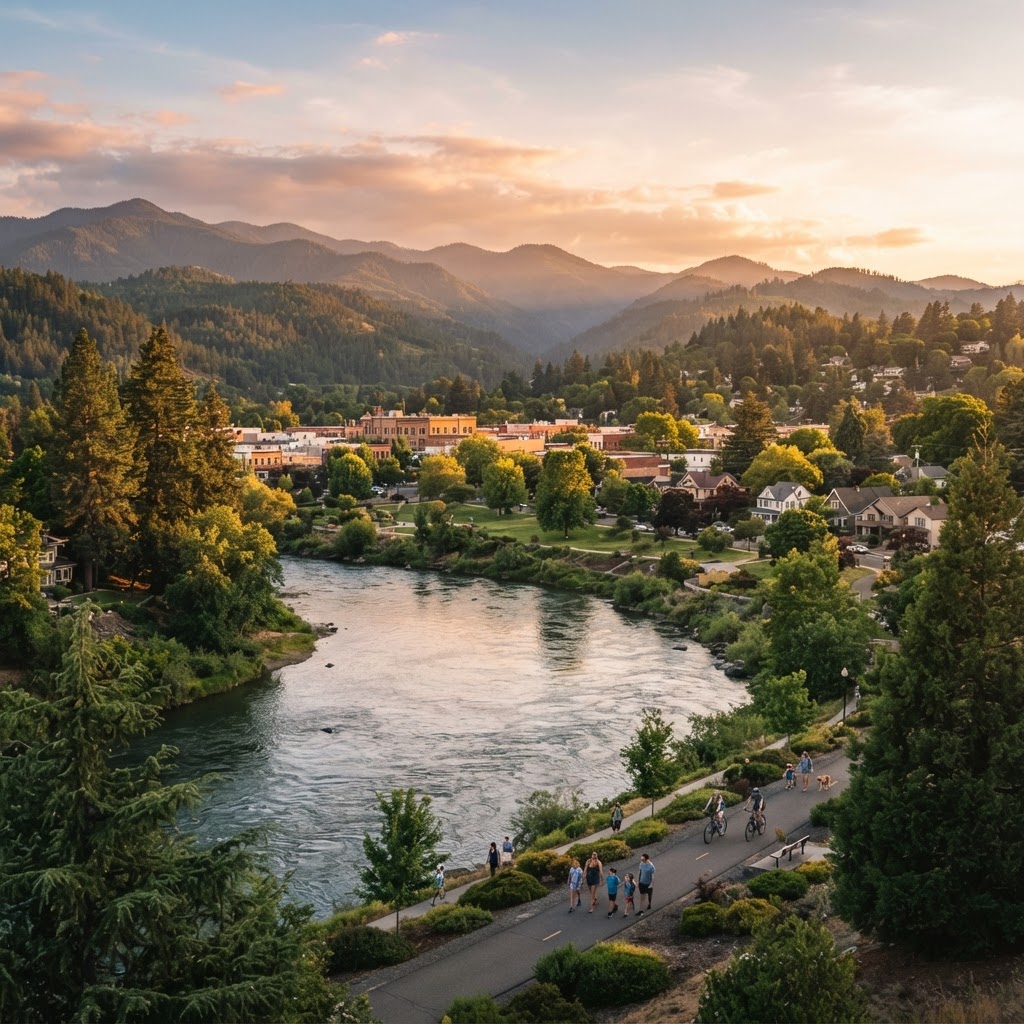
Living in the Rogue Valley is a privilege that comes with a unique set of environmental considerations. From the lush forests surrounding Grants Pass to the golden hillsides of Josephine County, our landscape is as beautiful as it is dynamic. For homeowners, especially those nestled near the wildland-urban interface, understanding how to manage the land around your home isn't just about curb appeal; it is a vital part of responsible property stewardship. Firewise landscaping is not about clearing every tree or turning your yard into a concrete slab; it is about strategic design that works with nature rather than against it.
The Philosophy of Defensible Space
Defensible space is the area around a building where vegetation, debris, and other types of combustible fuels have been treated, cleared, or reduced to slow the spread of wildfire. Think of it as a buffer zone. In the Rogue Valley, where our summers can be dry and temperatures in the 90s are common, this concept is essential for any homeowner.
Creating Your Zones
The standard approach to defensible space divides your property into zones:
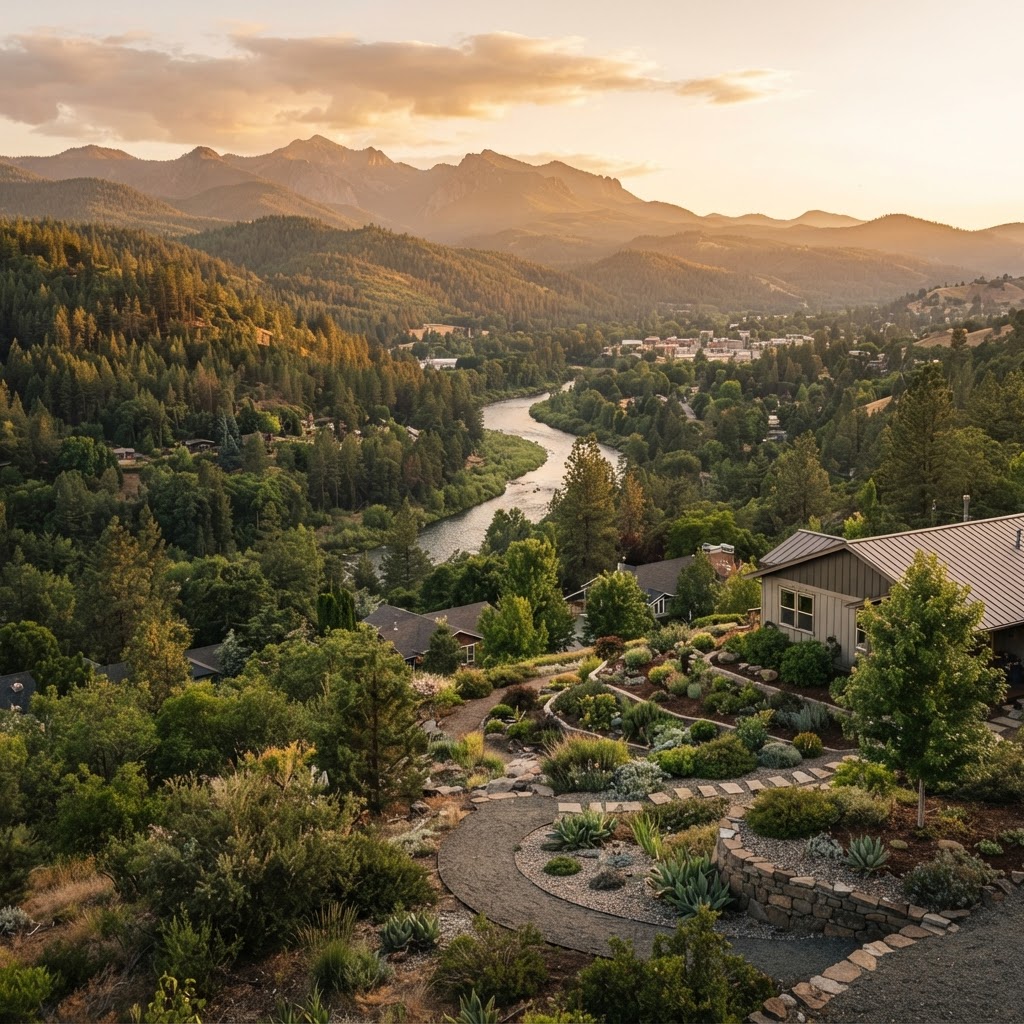
- Zone 0 (0-5 feet): This is the "ember-resistant zone." Focus on keeping this area free of organic mulch, dead leaves, and anything flammable. Swap out bark mulch for gravel, decorative stone, or pavers. This is the most critical area for preventing embers from igniting your home.
- Zone 1 (5-30 feet): Here, the goal is to break up the continuity of vegetation. If you have large shrubs, keep them spaced apart. Remove "ladder fuels," which are low-hanging branches that allow fire to travel from the ground into the canopy of a tree.
- Zone 2 (30-100 feet): In this outer zone, you can afford a bit more density, but it is still important to keep the area clear of dead or diseased wood.
Choosing the Right Plantings for Josephine County
Being Firewise doesn't mean your garden has to look barren. Southern Oregon is home to many beautiful, drought-tolerant, and fire-resistant native species. When planning your garden, look for plants that have high water content in their leaves and low oil or resin content.
Native Gems to Consider
Many of our local plants are adapted to thrive in our specific climate while remaining less flammable than introduced invasive species. Consider incorporating plants like the Western Redbud, which offers beautiful spring blossoms, or various Ceanothus varieties. These plants generally require less water once established—a win for both your water bill and your fire safety plan.
What to Avoid
It is often the plants we choose for fast growth or privacy that can pose the biggest risks. Conifers, while beautiful, are often high in resins and oils. If you have tall pines or firs close to your home, consider prioritizing them for routine pruning rather than removal, ensuring the lowest branches are kept trimmed at least six to ten feet off the ground. By keeping the trees healthy, you reduce the risk of them becoming fuel sources.
Maintaining the Balance
Firewise landscaping is an ongoing process. Just like home maintenance, it works best when done in small, manageable chunks. A Saturday afternoon spent clearing dried grasses from your gutters or trimming back overgrown manzanita along your driveway makes a significant difference. It is also a great opportunity to get to know your property better—you might find native wildflowers you didn't know were there once you clear away the invasive blackberry brambles.
If you are living in areas like Murphy, Williams, or the hills above downtown Grants Pass, you know that our terrain varies significantly. What works for a flat lot in a subdivision might differ from a sloped rural acreage. Always consider the slope of your land; fire travels faster uphill, so those properties with significant elevation changes often require slightly larger buffer zones to maintain the same level of protection.
A Community Effort
One of the best things about living in the Rogue Valley is the sense of community. Fire safety isn't just an individual task; it is a neighborhood effort. When you clear your brush and keep your property Firewise, you are actually helping your neighbors, too. If you are looking for specific resources, the Josephine County Fire Safe Council offers excellent guidance and information on local programs that can help you assess your property's needs.
Ultimately, your home is your sanctuary. By being proactive with your landscaping, you are not only protecting your investment but also helping to preserve the incredible natural landscape that makes living in Southern Oregon so special.
If you have questions about how to best manage your property or are just beginning your journey as a homeowner in the area, feel free to reach out to Vicki at Beyond Real Estate Brokers. We are always happy to share what we know about our beautiful community.
Questions about the Southern Oregon market?
Our local agents are here to help you buy or sell with confidence.
Explore Southern Oregon Real Estate
Related Articles
Planning for Irrigation: A Guide to Water Rights and Water Sources in Josephine County
Read More
Cultivating Community: The Art of Grants Pass Gardening and Land Stewardship
Read More