The Importance of Water Management in the Rogue Valley
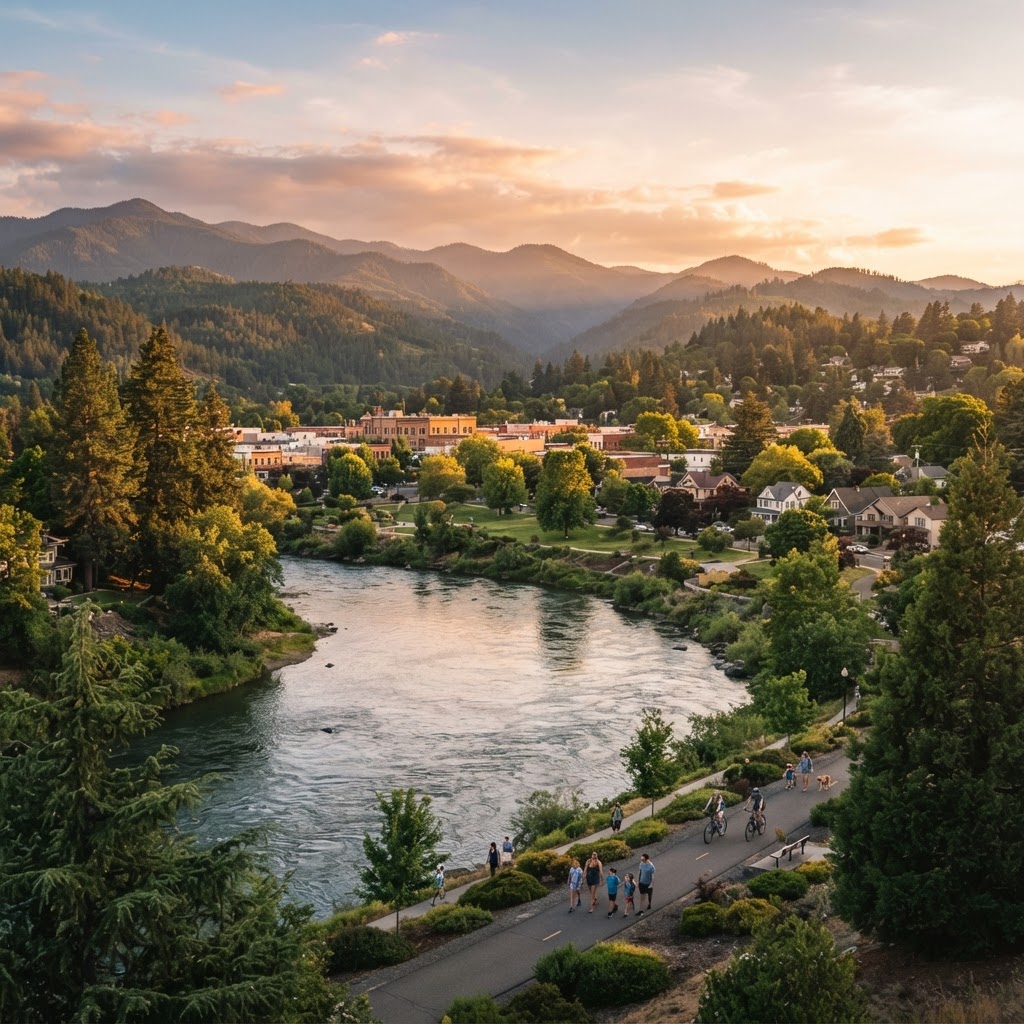
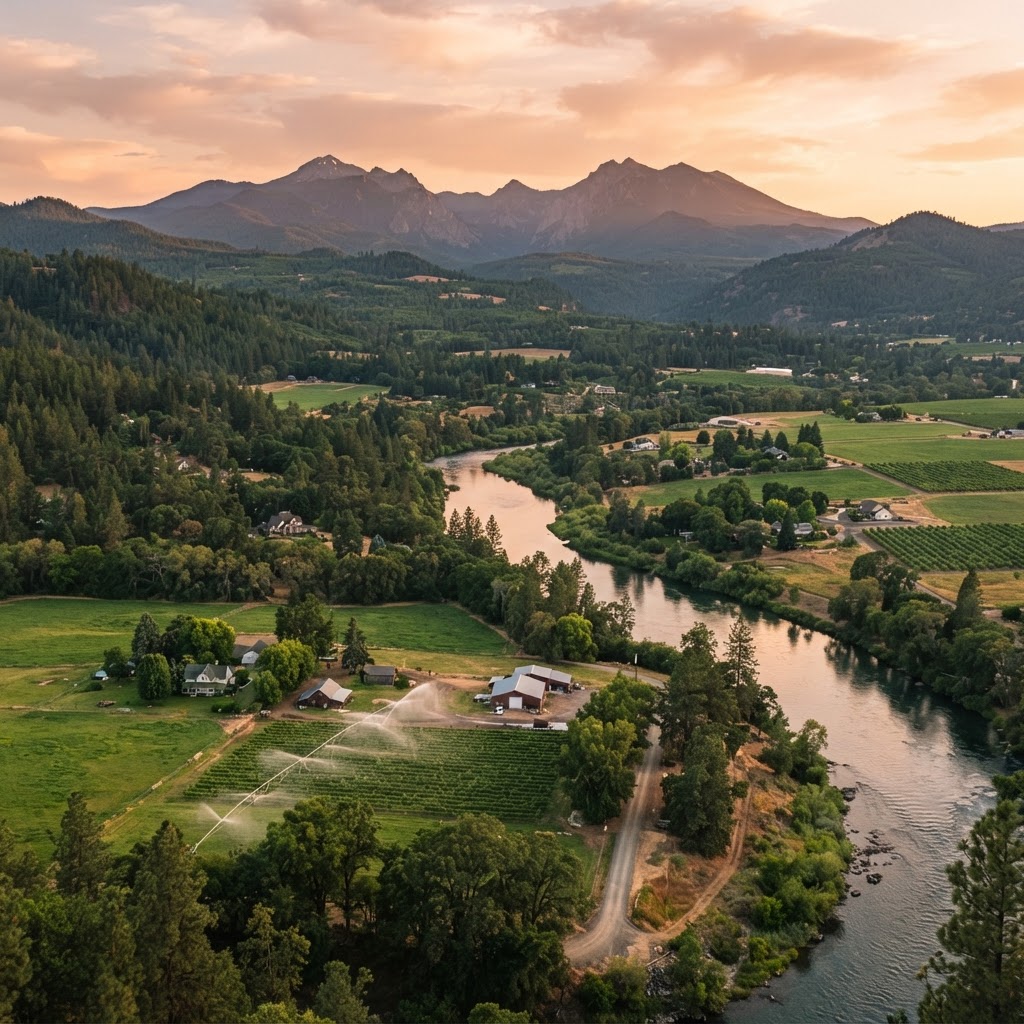
Living in Grants Pass and the greater Josephine County area offers a unique lifestyle, defined by the beautiful Rogue River and our sun-drenched summers. However, our Mediterranean-like climate means that the lush, green landscapes we love require careful management. Whether you are tending to a small garden in the Fruitdale district or maintaining acreage near Murphy, water is the lifeblood of your property. Understanding how your land is served—or how you can serve it—is a foundational skill for any homeowner here.
Understanding the Basics of Water Rights
In Oregon, water rights are complex and historically significant. If you are looking at properties with significant acreage, you will often hear the term "water rights" mentioned. Simply put, having a water right means you have a legal permit from the state to divert water from a source—like a creek, a river, or a canal—for a specific use, such as irrigation or stock watering.
It is important to understand that owning land next to a stream does not automatically grant you the right to pump water from it. These rights are tied to the land and are recorded with the Oregon Water Resources Department. When evaluating a potential property, asking for the water right certificate is a standard and wise practice. Knowing what your rights are—and, just as importantly, what they are not—prevents frustration when the hot, dry months of August and September arrive.
Irrigation Districts and Shared Systems
Many properties in our area, particularly those in areas like Redwood or near the Applegate River, may be served by an irrigation district. These districts manage the distribution of water via canals and ditches. Being part of a district means paying annual assessments to help maintain the infrastructure. It is a reliable way to manage a larger property, but it requires you to coordinate your irrigation schedule with your neighbors and the district's seasonal timelines.
Private Wells as a Primary Water Source
For most residential properties in 97526 and 97527, a private well is the primary source of water. Unlike municipal water systems found in the heart of Medford or Ashland, a well makes you the steward of your own supply.
Monitoring Your Well
When buying or selling, the well log is your best friend. This document provides a snapshot of the well's depth, the static water level, and the yield in gallons per minute at the time of drilling. However, it is important to remember that groundwater levels can fluctuate due to drought or seasonal changes. If you are concerned about your water supply, speaking with a local well technician can provide insight into the health of your system and whether a storage tank or a booster pump might be a smart addition for your irrigation needs.
Choosing Sustainable Landscaping Practices
Given the value of water in our region, many homeowners are turning to "water-wise" landscaping. This does not mean you have to settle for a yard full of gravel and succulents. Instead, it is about being intentional. By grouping plants with similar water needs together—a technique known as hydrozoning—you can minimize waste. Using drip irrigation instead of traditional sprinklers can reduce water loss from evaporation by up to 50 percent, which is a significant difference during those 100-degree days in the valley.
Native Plants and Resilience
Incorporating native Rogue Valley flora into your garden is perhaps the most effective way to save water. Our local native plants, like the Pacific Madrone or various types of manzanita and native grasses, are evolved to handle the cycle of our wet winters and dry summers. They are resilient, low-maintenance, and provide essential habitats for local pollinators, making them a win-win for your property and the environment.
Managing Your Water Footprint
Whether you are located in the historic neighborhoods of downtown Grants Pass or out toward the quiet expanses of Cave Junction, being a thoughtful steward of our regional water resources ensures that your property remains a joy to own for years to come. It is about balancing the beauty of our landscape with the reality of our climate.
If you have questions about understanding the documentation for a property you are considering, or if you simply want to learn more about how to navigate these local systems, reach out to Vicki at Beyond Real Estate Brokers. We are here to help you get the information you need to make your home transition as smooth and informed as possible.
Questions about the Southern Oregon market?
Our local agents are here to help you buy or sell with confidence.
Explore Southern Oregon Real Estate
Related Articles
Cultivating Community: The Art of Grants Pass Gardening and Land Stewardship
Read More
Living with the Rogue: Understanding Firewise Landscaping in Southern Oregon
Read More