Understanding Rural Infrastructure in Southern Oregon
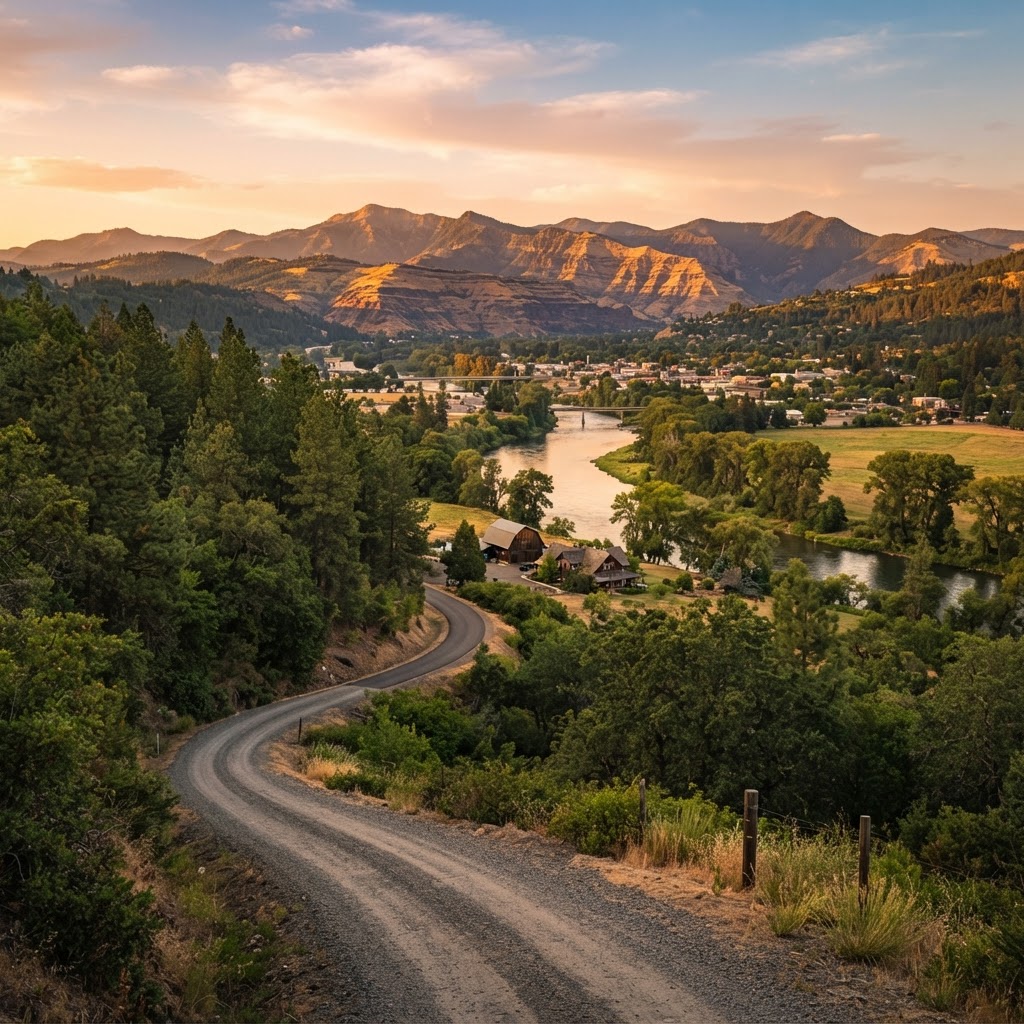
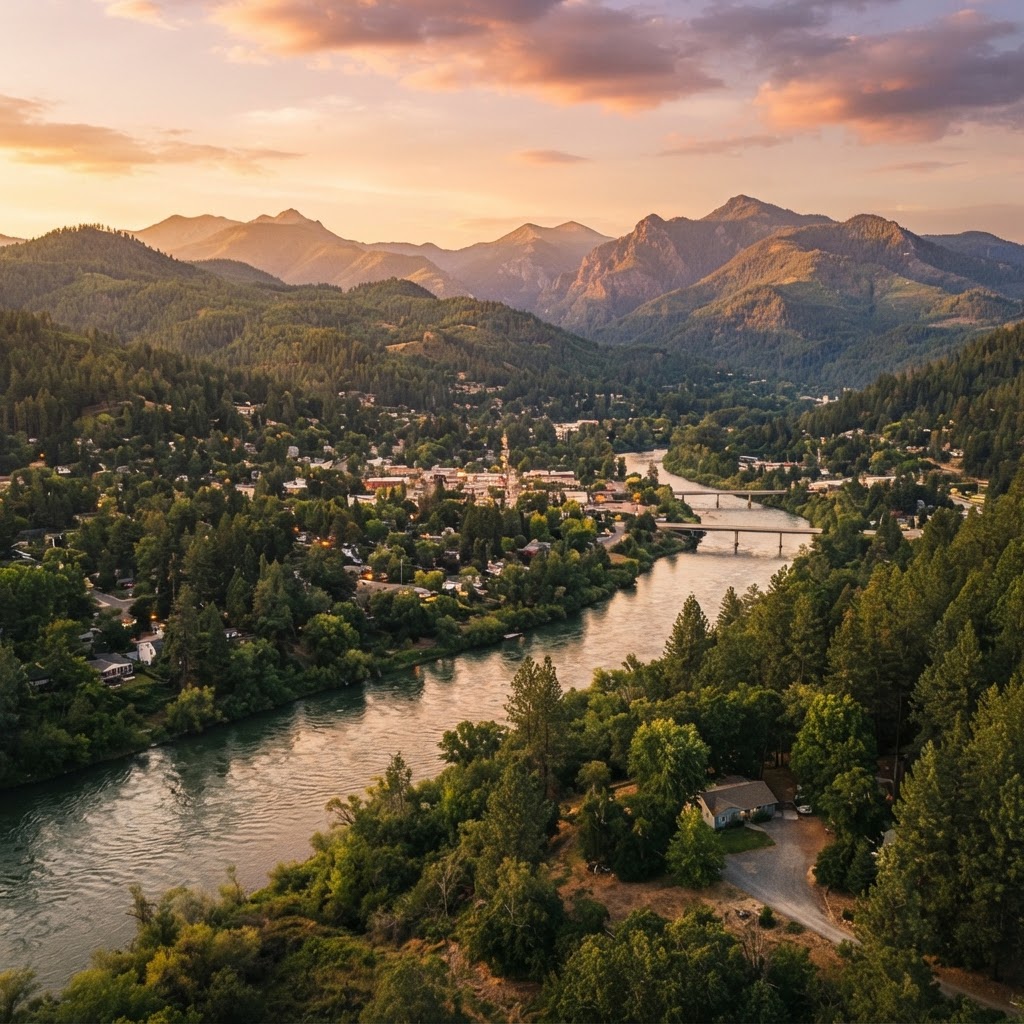
Moving to the beautiful landscape of Josephine County often means trading city water and sewer connections for private wells and septic systems. While these systems are common throughout the Rogue Valley, they can feel intimidating to those coming from urban environments. Whether you are looking at a parcel near Murphy, a home tucked away in the hills of 97527, or a small farmstead near Cave Junction, being well-informed is the first step toward confidence in your purchase.
The Role of Your Private Well
In Southern Oregon, your well is your lifeblood. Unlike municipal water, which is treated and delivered to your door, a private well draws water from local aquifers beneath your feet.
Why Well Testing Matters
When you are under contract, the well flow test is one of the most critical inspections you will commission. This test determines the yield of the well, measured in gallons per minute (GPM). While a typical household doesn't need an industrial-sized output, you do need enough flow to support daily life, irrigation, and fire safety protocols. We always suggest ensuring the well is tested for potability—specifically checking for nitrates, coliform bacteria, and sometimes arsenic or other minerals naturally present in our geological formations.
Seasonal Considerations in the Rogue Valley
It is helpful to remember that our water table fluctuates with the seasons. A well that performs well in the spring might show different characteristics during a hot, dry September. Having a professional well inspector look at the equipment—the pump, the pressure tank, and the control box—can give you peace of mind that your water system is reliable for the long haul.
Navigating Septic Systems
If you aren't on a city sewer, you are using an onsite sewage disposal system. In Josephine County, these systems are regulated to protect our watershed, particularly the Rogue River and its tributaries.
The Anatomy of an Onsite System
Most systems in our area consist of a septic tank and a drain field. The tank allows solids to settle, while the liquid effluent flows into the drain field, where the soil naturally filters it as it percolates back into the groundwater. It is a brilliant, low-maintenance process as long as the system is respected.
The Importance of a Septic Inspection
When buying, a professional inspection is standard. They will locate the tank, verify its condition, and check the drain field for signs of failure, such as soggy ground or poor drainage. It is also a good time to ask where the "as-built" records are stored. These are the historical maps of your property that show exactly where your drain lines are buried—vital information to have before you start a landscaping project or install a fence.
Caring for Your System Long-Term
Living with private utilities requires a shift in mindset, but it is hardly a burden. Once you settle in, it becomes second nature.
Simple Maintenance Habits
For your septic system, think about what goes down the drain. Excessive chemicals or non-biodegradable items can disrupt the natural bacteria that break down waste. For your well, keeping the area around your wellhead clear of debris, chemicals, or fertilizers prevents potential contamination.
Building a Relationship with Local Professionals
We are lucky to have a network of excellent local contractors in the Rogue Valley who specialize in well and septic work. Whether you are in Medford, Ashland, or out in the quiet corners of Josephine County, having a reliable contact for annual check-ups is a great investment. They can help you monitor your system's health and advise you if any upgrades—like a new filtration system or a tank pump-out—are needed.
A Local Perspective on Rural Living
Choosing a home with a well and septic system is often the gateway to enjoying the space and privacy that makes Southern Oregon so special. It connects you more closely to the land and the environment. While the jargon of gallons-per-minute and drain fields can seem foreign at first, you will quickly find that these systems are straightforward and manageable.
If you have questions about specific properties you've seen in the 97526 or 97527 zip codes, or if you simply want to talk through the practicalities of rural living before you start your search, reach out to the team here at Beyond Real Estate Brokers. We are always here to help you get the information you need to make the right choice for your lifestyle.
Questions about the Southern Oregon market?
Our local agents are here to help you buy or sell with confidence.
Explore Southern Oregon Real Estate
Related Articles
Evaluating Rural Utility Infrastructure: A Practical Guide for Southern Oregon Property Buyers
Read More
Understanding HOA and CCR Restrictions in Josephine County Property Purchases
Read More