Understanding the Rogue Valley's Weather Patterns
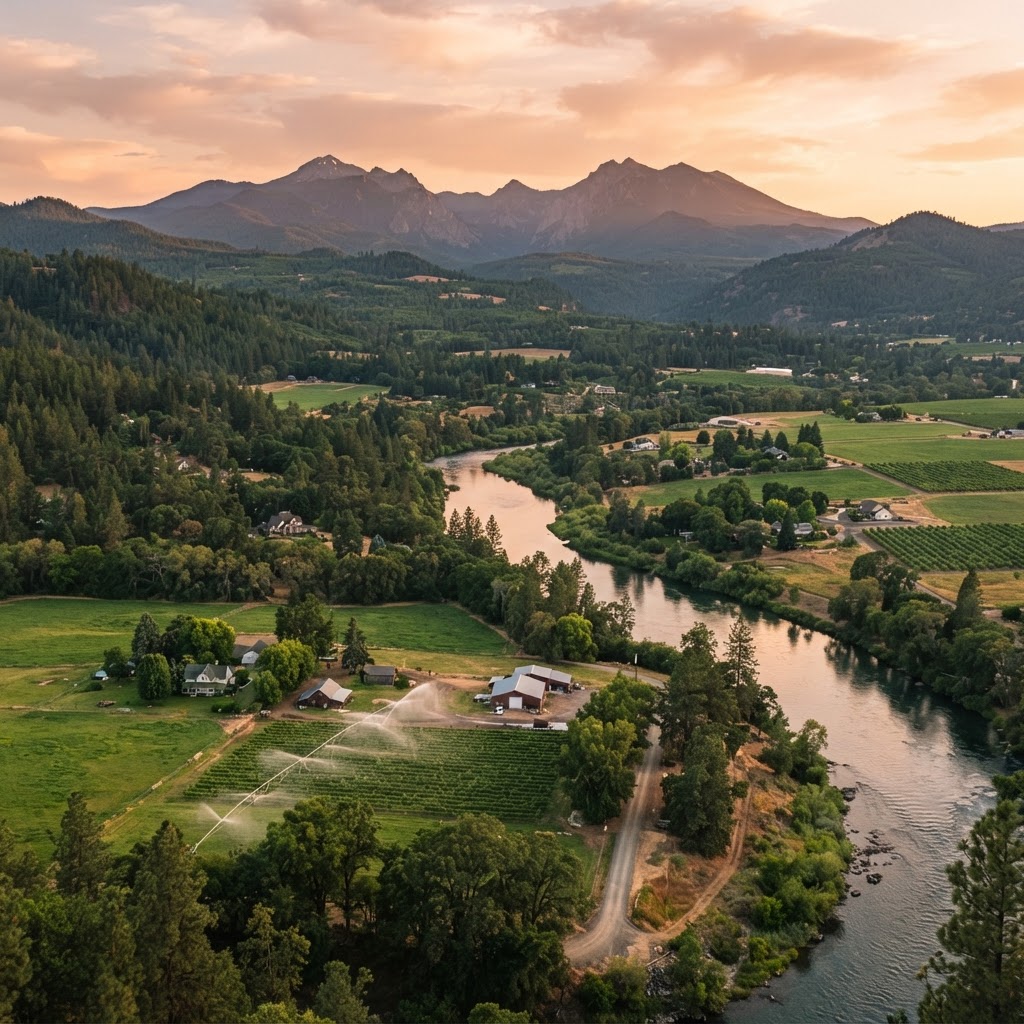
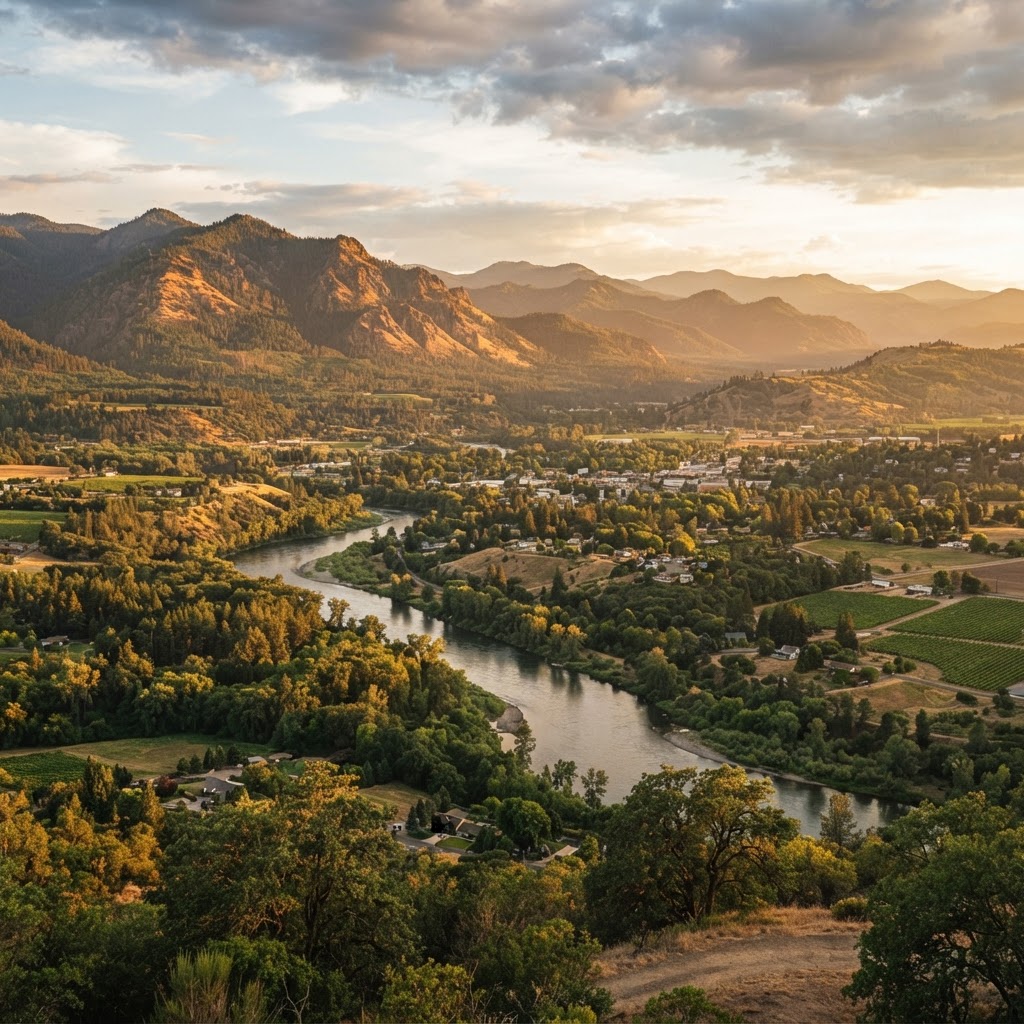
When you first arrive in Grants Pass or wander through the quiet streets of 97526, you quickly realize that the weather here is far from monolithic. Southern Oregon is defined by its complex topography—rolling hills, deep river valleys, and the protective embrace of the Siskiyou Mountains. For those looking to put down roots, understanding these microclimates is just as important as evaluating the home's floor plan or the size of the garage.
The River Influence
Living near the Rogue River isn't just about the scenic views or the weekend access to rafting and fishing. The river acts as a thermal mass, creating a distinct microclimate along its banks. Homes situated in the low-lying river corridors often experience slightly higher humidity and different frost patterns compared to those tucked into the foothills. While this creates a lush, green environment that feels like a natural oasis, it is a factor to keep in mind when planning your landscaping or assessing the long-term maintenance of exterior wood siding.
The Elevation Factor: Hillside vs. Valley Floor
One of the most significant variables in our local climate is elevation. In Grants Pass, moving just a few hundred feet in elevation can change your experience of the seasons entirely.
Valley Floor Living
Neighborhoods located on the valley floor, particularly in the heart of town, tend to trap heat during our beautiful, albeit warm, summer months. This makes good insulation and effective shading—like the native oaks we are so lucky to have—essential. However, these areas also benefit from being easier to navigate during the rare winter frost events that occasionally dust our valley. If you are a gardener, the valley floor provides a longer growing season, which is perfect for those who dream of a sprawling vegetable patch or a collection of heirloom roses.
Foothill and Ridge Living
As you move toward the edges of Josephine County, such as the areas bordering the outskirts of Cave Junction or the higher elevations near Applegate, you enter a different world. Ridge-top homes benefit from refreshing breezes that help mitigate the peak heat of August, making outdoor evening living exceptionally pleasant. Conversely, these areas can be colder in the winter and often experience snow a few days before the city center. Homeowners in these areas often find themselves keeping a slightly different emergency kit in their mudroom—one that includes a good set of tire chains and a backup heating plan, just in case.
Implications for Your Home and Lifestyle
Your chosen microclimate doesn't just dictate the weather; it influences how you interact with your property daily.
Gardening and Landscape Management
If you are a lover of gardening, the specific orientation of your plot matters. A south-facing slope in the Rogue Valley can feel like an oven in July, which might be perfect for lavender and drought-tolerant perennials but tough on delicate shade-loving ferns. Conversely, north-facing slopes stay cool and damp, offering a perfect refuge for moss-covered stones and lush, forest-floor aesthetics. Before buying, take a walk around the property at different times of the day to see where the sun actually hits. It can change everything about how you use your deck or patio.
Energy Efficiency Considerations
Southern Oregon homeowners are increasingly mindful of energy usage. Homes in exposed, wind-prone areas may require higher-grade windows and more robust heating systems to maintain comfort during the crisp winter months. Meanwhile, homes tucked into the valley might prioritize cooling efficiency. When touring properties, don't be afraid to ask about heating bills or the age of the HVAC system; a local seller or agent can often provide context on how the home performs during our most extreme weather weeks.
The Human Connection to the Landscape
Ultimately, there is no 'perfect' spot in the Rogue Valley—there is only the spot that fits your lifestyle. Whether you prefer the accessibility and slightly warmer temperament of central Grants Pass, or the rugged, seasonal drama of the higher elevations near the foothills, every location offers a unique way to connect with the landscape that makes Southern Oregon so special.
We love helping people navigate these nuances because we live here too. We understand the difference between a sunny afternoon in Medford and a brisk morning in the higher reaches of Josephine County. It is all part of the charm of living in such a diverse, beautiful region. If you have questions about specific neighborhoods or want to explore how a property’s location might influence your homeownership experience, reach out to Vicki at Beyond Real Estate Brokers. We are always happy to chat about the local market and help you find a place that truly feels like home.
Questions about the Southern Oregon market?
Our local agents are here to help you buy or sell with confidence.
Explore Southern Oregon Real Estate
Related Articles
Finding Your Community: The Social Landscape of Southern Oregon Neighborhoods
Read More
A Guide to Southern Oregon Property Styles: Understanding Architectural Heritage in Josephine County
Read More