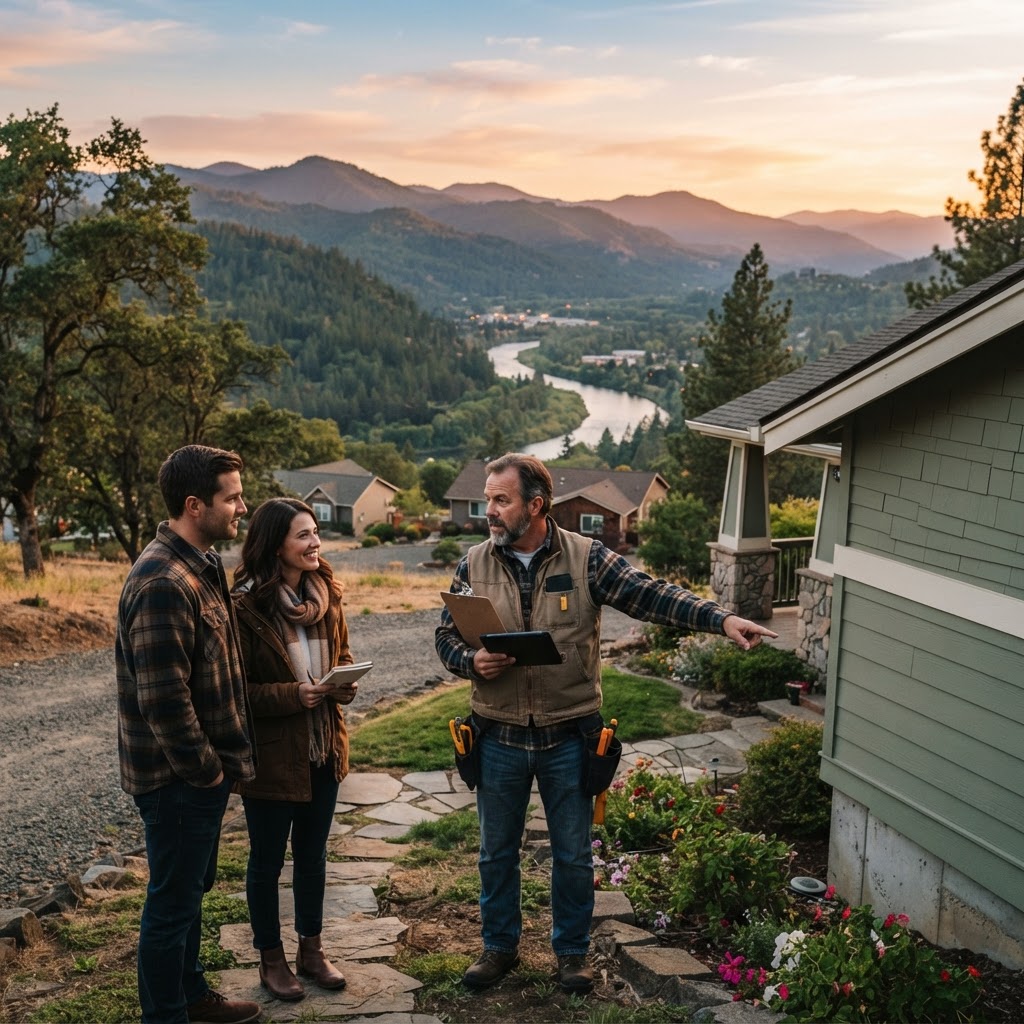
The Hidden Documents That Shape Your Lifestyle
When you start looking for a home in Grants Pass or the surrounding communities like Murphy or Williams, your focus is naturally on the square footage, the view of the Rogue Valley, or perhaps the distance to the local farmers market. However, there is a set of legal documents that will impact your daily life far more than the floor plan ever will: Covenants, Conditions, and Restrictions, better known as CC&Rs, and the governing rules of Homeowners Associations (HOAs).
In Josephine County, we are lucky to have a diverse mix of properties. You might be looking at a suburban home in a quiet subdivision near Riverside Park, or perhaps a small acreage plot tucked away near the Applegate River. Understanding the land use rules tied to these properties is essential to ensuring you land in a spot that matches your vision of home.
What Exactly Are CC&Rs?
Think of CC&Rs as a neighborhood's blueprint for community standards. These are private agreements recorded against the property deed, meaning they stay with the land regardless of who owns it. They are designed to maintain a certain aesthetic or lifestyle within a specific development.
In some parts of Grants Pass, you might find CC&Rs that are quite relaxed, simply ensuring that neighbors don’t park commercial vehicles on the street or that fences remain at a certain height. In other developments, especially those closer to the Rogue River or in planned unit developments, they might be incredibly detailed. They could dictate everything from the color you are allowed to paint your front door to whether or not you can install a shed in your backyard.
The Importance of the 'Fine Print'
When we represent clients at Beyond Real Estate Brokers, we always encourage a thorough review of the CC&Rs during the contingency period. It is common for buyers to look at a property and fall in love with the potential to build a large garden or keep chickens, only to find out that the neighborhood restrictions prohibit those activities entirely. If you have dreams of owning a specific type of recreational vehicle or building a shop for your woodworking hobby, the CC&Rs will tell you exactly what is permissible before you ever sign the final paperwork.
The Role of the HOA
If you are considering a property that is part of an HOA, you are essentially entering into a mini-governance system. The association is responsible for enforcing the CC&Rs and managing any shared amenities. This could mean maintaining a common park, managing private roads that lead into a neighborhood, or even handling water systems in more rural parts of Josephine County.
While HOAs can provide peace of mind by ensuring that property values remain stable through consistent maintenance, they also require monthly or annual dues. It is crucial to ask about the financial health of the association. Does the HOA have a reserve study? Are there any pending special assessments on the horizon? These are the kinds of questions that can save you significant stress down the road.
Living Outside the Association
It is important to note that many properties in Southern Oregon, particularly those in rural zones outside of Grants Pass city limits, are not part of an HOA. However, they may still have individual CC&Rs or neighborhood associations that operate with a much looser structure. You might encounter 'road maintenance agreements' instead of a formal HOA. These are legal documents that specify how neighbors share the cost of maintaining a private driveway or access road—a common feature in our beautiful, hilly terrain.
How to Do Your Due Diligence
Navigating these documents doesn't have to be overwhelming. Here is a simple approach to ensuring you know what you are signing up for:
- Request the Documents Early: As soon as you are serious about a property, ask for the CC&Rs. Don't wait until the last minute.
- Read the Rules, Not Just the Summary: Sometimes a disclosure will summarize the rules, but the actual document contains nuances. Read the full text, especially the sections on architectural changes, parking, and livestock or pets.
- Talk to Neighbors: If you have the chance, chat with someone who already lives in the development. They can give you an honest perspective on how strictly the rules are enforced and what the culture of the neighborhood is really like.
- Ask About Pending Changes: Sometimes associations are in the process of updating their bylaws. Make sure your real estate professional verifies that you have the most current version.
Making the Right Choice for Your Future
Ultimately, the goal of understanding CC&Rs and HOAs is to ensure that your new home in the Rogue Valley is a place where you can thrive. Whether you want a neighborhood where everything is meticulously maintained or you are looking for the freedom of rural living without restrictive oversight, knowing the rules of the road is the first step.
If you have questions about a specific property in Grants Pass, Cave Junction, or the surrounding area, and you want to understand the finer points of its restrictions or association rules, reach out to Vicki at Beyond Real Estate Brokers. We are here to help you navigate the details so you can focus on the excitement of your next chapter.
Updated October 2026 with current Josephine County HOA and CCR guidance.
Questions about the Southern Oregon market?
Our local agents are here to help you buy or sell with confidence.
Explore Southern Oregon Real Estate
Related Articles

Demystifying Title Insurance: What Southern Oregon Homeowners Need to Know
Read More
Navigating the Search for Acreage: Considerations for Small-Scale Homesteading in Josephine County
Read More