Navigating the Land: A Guide to Easements in Southern Oregon
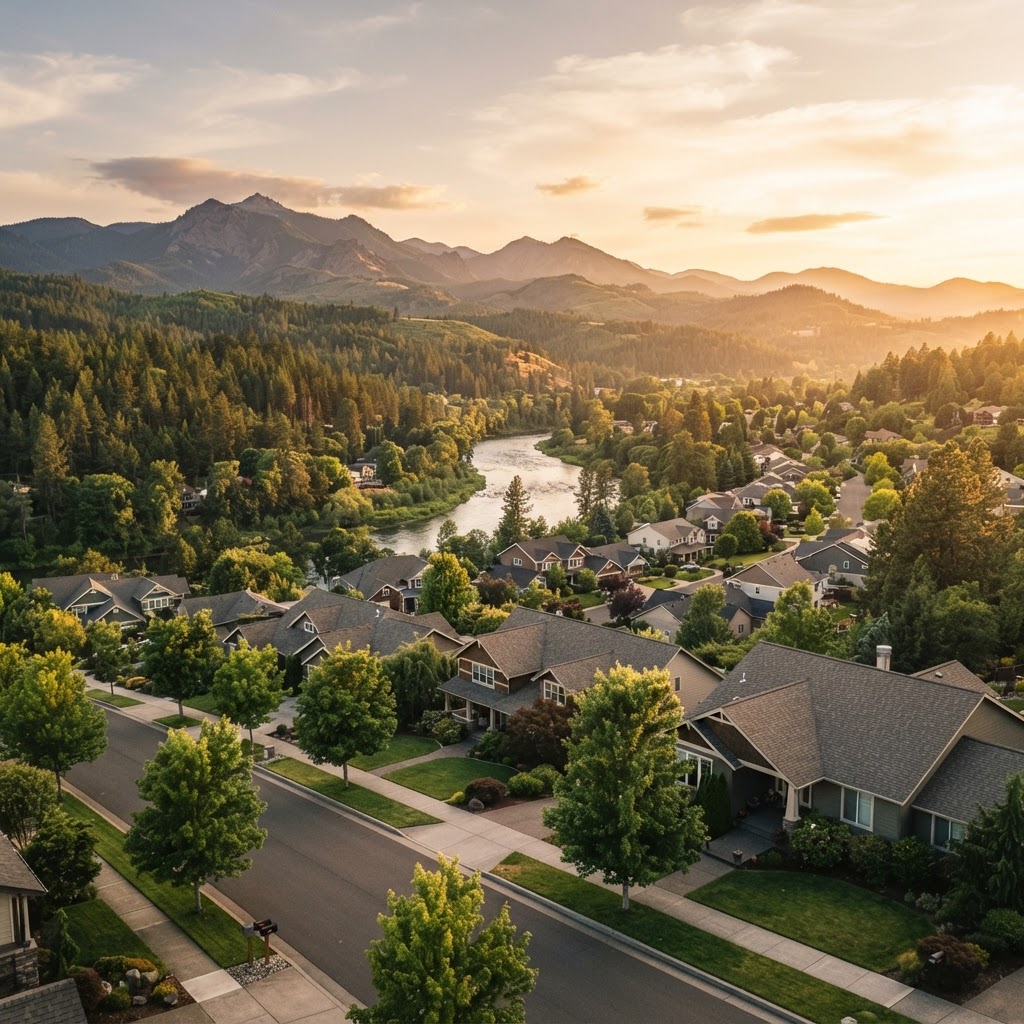
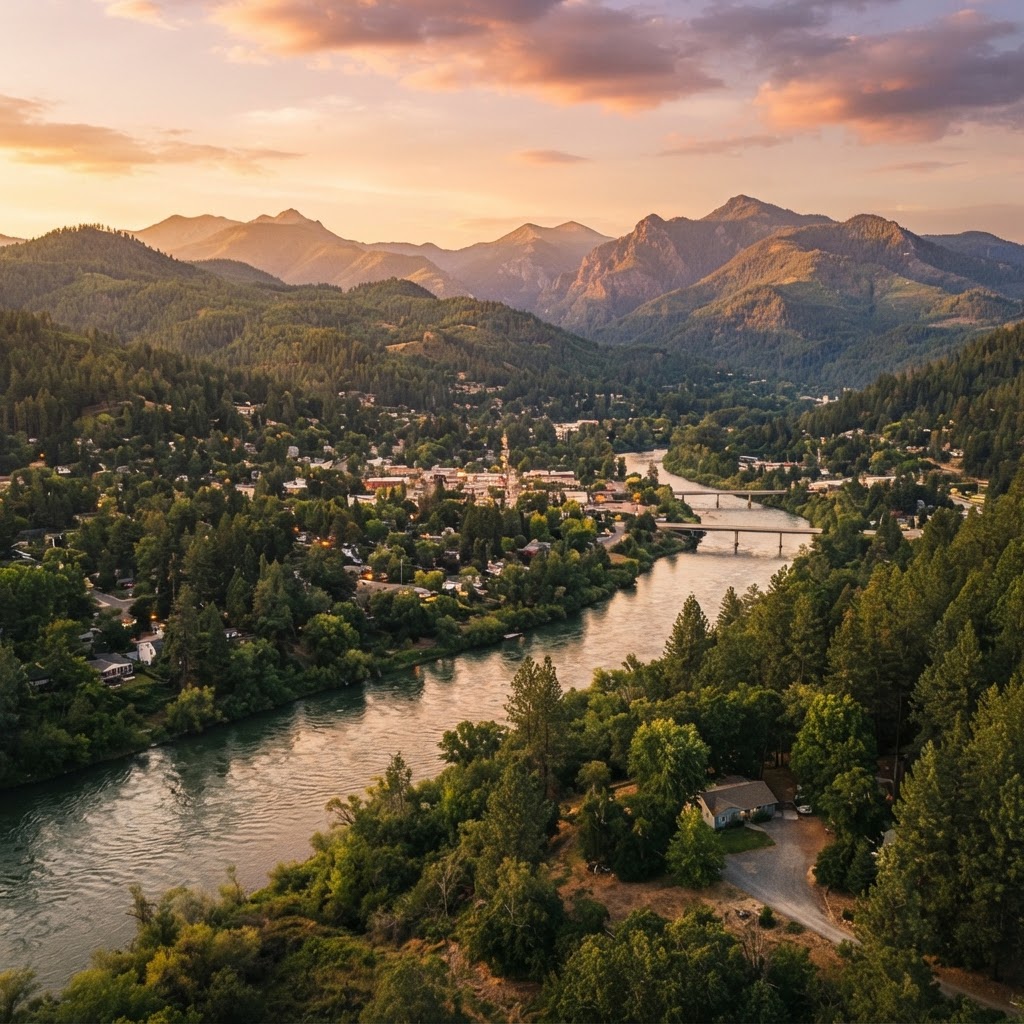
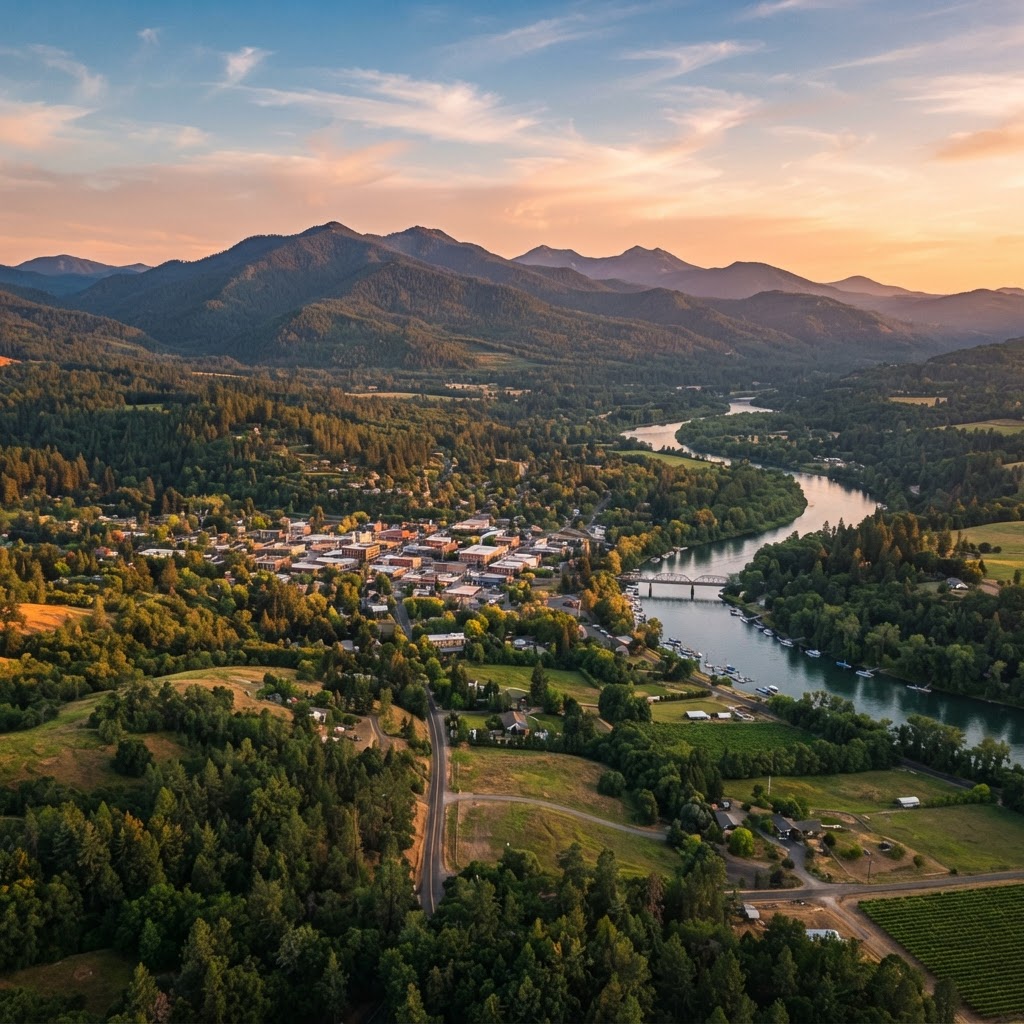
When you begin looking at property in Josephine County, you will quickly notice that the landscape is as varied as it is beautiful. From the hillsides overlooking the Rogue River to the quiet, forested plots near Cave Junction, the way land is connected is rarely as simple as a straight fence line. For many buyers, the term "easement" often appears in title reports, and it is natural to feel a bit of uncertainty. Understanding how these access points work is an essential part of becoming a well-informed landowner in our corner of the world.
What Exactly is an Easement?
At its simplest, an easement is a legal right for someone other than the property owner to use a specific portion of the land for a designated purpose. It does not grant ownership, but rather a "burden" or an "interest" that stays with the land regardless of who holds the deed. In our region, where many properties are tucked away off the main thoroughfares of Grants Pass or Medford, these are frequently used for driveway access, utility lines, or irrigation rights.
Why Easements Are Common in the Rogue Valley
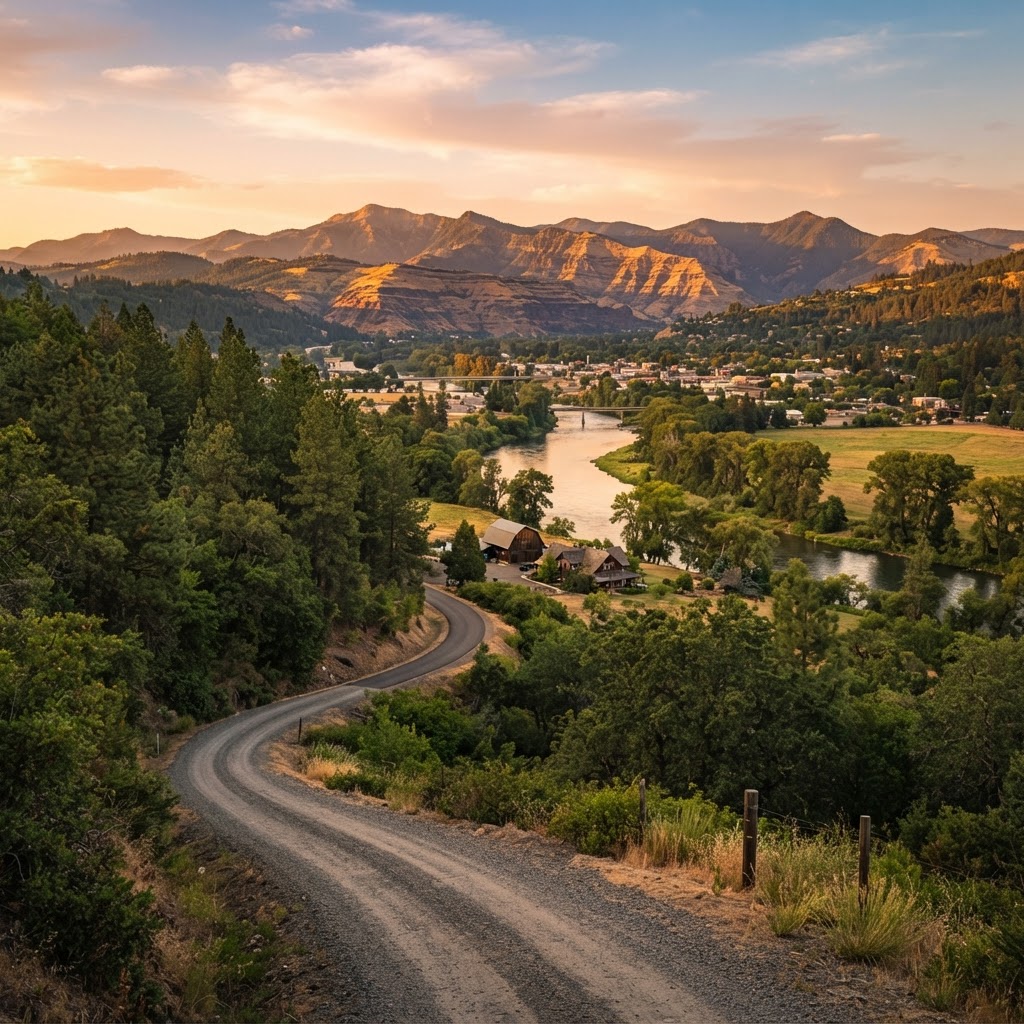
Because of the rugged terrain and the historical development of Josephine County, properties were often subdivided in ways that created "landlocked" or semi-landlocked parcels. To ensure every homeowner can reach their front door or hook up to power, easements were established. You might find a shared driveway that allows a neighbor to reach their house across the corner of your property. This is a standard arrangement, and in many ways, it is the glue that keeps our rural communities connected.
The Different Types of Easements You Might Encounter
It is helpful to categorize the easements you see in your title report so you can understand how they affect your daily life.
Access and Driveway Easements
These are perhaps the most common in the 97526 and 97527 zip codes. An access easement allows someone to cross your property to get to theirs. If you are buying a home, your title company will provide a map showing the recorded easement. It is worth walking the property to see exactly where this access point sits and how it is maintained.
Utility Easements
These are non-negotiable necessities for our modern lives. Utility companies require access to run electricity, phone lines, or fiber-optic cables to homes. While these are usually tucked along the perimeter of a lot, being aware of where your underground lines run is vital before you start digging for that new garden bed or building a shed.
Irrigation and Water Rights
In agricultural areas throughout the Rogue Valley, you might run across historic irrigation easements. These allow for the maintenance of ditches or pipes that transport water to crops or pastures. These are legally protected, so it is important to respect these paths to ensure water continues to flow efficiently for everyone.
Your Rights and Responsibilities as a Property Owner
If your property is subject to an easement, it does not mean you lose control of your land. However, it does mean you have certain obligations. You generally cannot block or impede the use of an easement if it is the primary access for a neighbor. For example, if your driveway is subject to an access easement, you wouldn't want to store vehicles or materials in a way that prevents the neighbor from passing through.
Conversely, the person using the easement has responsibilities as well. They are typically expected to keep the path clear and, in many shared driveway scenarios, participate in the upkeep of the road surface. If you are ever unsure about who is responsible for the gravel or maintenance of a shared path, a friendly, direct conversation with your neighbor is almost always the best first step. Most long-term residents in Southern Oregon value good neighborly relations above all else.
Tips for Investigating Easements
- Read the Title Report: Your title company is your best resource. Do not hesitate to ask them to explain the specific wording of an easement.
- Review the Plat Map: This visual representation shows the dimensions and location of easements. It helps to overlay this with your own walk-through of the property.
- Talk to the Neighbors: If you have a shared access, ask the current owner how the system has worked historically. You will often find it is much simpler than the legal jargon makes it sound.
Moving Forward with Confidence
Living in the Rogue Valley offers a lifestyle that is hard to match, with plenty of room to roam and stunning natural beauty. While the paperwork side of real estate, like easements, might seem dry or daunting, it is just a small part of ensuring that your investment is secure and your property remains peaceful. Knowledge is your best tool for navigating these details, allowing you to focus on the more exciting parts of homeownership, like planning your garden or exploring the nearby trails.
If you are currently looking at properties and find a title report that mentions easements you don't quite understand, please know you are not alone. If you have questions about the local market or how these types of agreements might impact a property you are considering, reach out to Vicki at Beyond Real Estate Brokers. We are here to help you get the clarity you need to move forward with confidence.
Questions about the Southern Oregon market?
Our local agents are here to help you buy or sell with confidence.